Mastering the Art of Improving Your Accent in English: A Comprehensive Guide
In the globalized world we live in today, English has become the lingua franca of communication, business, and international relations. Whether you are a non-native English speaker seeking to advance your career, study abroad, or simply communicate more effectively with English speakers, having a clear and understandable accent is crucial. Improving your accent not only enhances your ability to convey ideas but also boosts your confidence in expressing yourself in English.
- Awareness of Accent Variations: Before delving into improving your accent, it’s essential to understand that English accents vary across regions and countries. You might encounter British English, American English, Australian English, Indian English, and many other regional accents. While the goal is to communicate clearly, you don’t necessarily need to adopt a native speaker’s accent. Focus on clarity and comprehensibility rather than achieving perfection in a specific accent.
- Listen Actively to Native Speakers: Listening is a fundamental aspect of language learning, particularly when it comes to improving your accent. Engage with authentic English content, such as movies, TV shows, podcasts, and radio programs. Pay close attention to the pronunciation, intonation, and rhythm of native speakers. Regular exposure to natural speech patterns helps your brain internalize the language better.
- Imitate and Practice: Once you’ve tuned your ears to native speakers, practice imitating their pronunciation and intonation. Mimic the way they stress certain syllables, their pitch, and the melody of their speech. Practice reading aloud and repeating phrases from native speakers’ recordings. Consistent practice is key to training your vocal muscles and improving your accent.
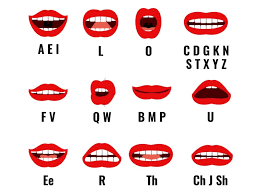
- Phonetic Awareness: English has a complex phonetic system, which is one of the reasons it poses challenges for non-native speakers. Invest time in learning the International Phonetic Alphabet (IPA) to understand the sounds of English better. Websites and apps dedicated to teaching IPA can be incredibly helpful in developing your phonetic awareness.
- Focus on Vowel Sounds: Vowels can be particularly tricky for non-native speakers. English has numerous vowel sounds, and they differ from one accent to another. Practice distinguishing and producing these vowel sounds accurately. Minimal pair exercises, where you contrast words with similar sounds like “ship” and “sheep,” can be beneficial.
- Consonant Pronunciation: Consonants also play a crucial role in improving your accent. Pay attention to consonant sounds that might not exist in your native language. For instance, the English “th” sound is often challenging for many learners. Practice making these sounds with the help of tongue twisters and repeating words with challenging consonants.
- Record Yourself: Recording yourself while speaking in English allows you to hear your own pronunciation objectively. Compare your speech with native speakers, and identify areas where you can improve. Be patient with yourself, as improvement takes time, and remember that it’s a gradual process.
- Work with a Language Partner or Teacher: Practicing with a language partner or a qualified English teacher is immensely valuable. A language partner who is a native English speaker can provide real-time feedback, correct your mistakes, and engage in meaningful conversations. If possible, consider taking accent reduction courses, where instructors can tailor exercises to address your specific needs.
- Use Accent Reduction Apps and Tools: In the digital age, there are numerous accent reduction apps and online tools available. Some apps focus on pronunciation exercises, while others offer interactive lessons and assessments. Utilize these resources to supplement your learning and track your progress over time.
- Focus on Word and Sentence Stress: English has a stress-timed rhythm, meaning certain words and syllables are emphasized more than others. Mastering word and sentence stress is essential for achieving a natural-sounding accent. Practice stress patterns in sentences to make your speech more fluid and expressive.
- Intonation and Pacing: Intonation refers to the rise and fall of your pitch while speaking. It conveys meaning and emotion in English. Pay attention to how native speakers use intonation in different contexts and try to replicate it in your speech. Additionally, work on pacing – not speaking too fast or too slow – to ensure clarity in communication.
- Learn Common Idioms and Expressions: Idiomatic expressions are phrases that are unique to a language and may not be understood literally. Incorporating common idioms and expressions into your speech can make it sound more natural and fluent. However, be cautious not to overuse them, as it may sound forced.
- Read Regularly: Reading helps you expand your vocabulary and exposes you to different sentence structures. Choose a variety of materials, such as books, articles, and blogs, to diversify your exposure to different writing styles and language nuances.
- Join Conversation Groups: Participating in conversation groups or English-speaking clubs can be highly beneficial. Engaging in discussions with other learners and native speakers provides a supportive environment to practice your English skills and gain confidence in using the language.
- Stay Persistent and Patient: Improving your accent in English is a journey that requires time, persistence, and patience. Set achievable goals, celebrate your progress, and keep pushing forward. Don’t be discouraged by occasional setbacks or difficulties; every step you take brings you closer to your goal.
In conclusion, improving your accent in English is a process that demands dedication and consistent effort. By being aware of accent variations, actively listening to native speakers, practicing pronunciation, and seeking feedback from language partners or teachers, you can make significant strides in achieving a clear and confident English accent. Embrace the journey, enjoy the learning process, and remember that effective communication, not perfection, should be your ultimate goal. Happy learning!