Introduction
English proficiency is a vital skill in today’s globalized world. As the lingua franca of international communication, it plays a significant role in academia, business, and everyday life. To assess and quantify language abilities, various English language tests have been developed. These tests cater to diverse needs and levels of proficiency, helping learners, job-seekers, and immigrants prove their language competence. In this article, we will delve into the different kinds of English tests widely used across the world.
- International English Language Testing System (IELTS)
IELTS is one of the most renowned English language proficiency tests. It is jointly managed by the British Council, IDP: IELTS Australia, and the University of Cambridge ESOL Examinations. IELTS assesses four key language skills: Listening, Reading, Writing, and Speaking. The test is available in two versions: Academic and General Training, each designed to suit the specific purposes of study, work, or immigration.
2. Test of English as a Foreign Language (TOEFL)
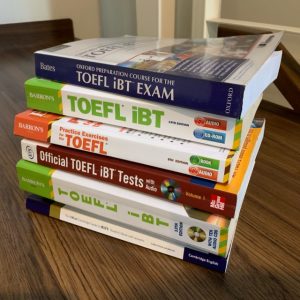
TOEFL is administered by the Educational Testing Service (ETS) and primarily aimed at evaluating the English language proficiency of non-native speakers seeking to study in English-speaking countries. TOEFL measures the ability to understand and use English in academic settings. The test comprises four sections: Reading, Listening, Speaking, and Writing.
3. Pearson Test of English (PTE)
PTE Academic is a computer-based English proficiency test offered by Pearson Language Tests. It assesses Listening, Reading, Speaking, and Writing skills using real-life academic and general content. PTE is widely accepted by universities and governments around the world for study and immigration purposes.
4. Cambridge English Exams
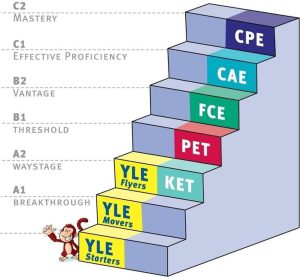
The Cambridge Assessment English conducts a range of English language exams for different proficiency levels. These include:
- Cambridge English: Proficiency (CPE): This is the highest level of Cambridge English exams and certifies a near-native level of English proficiency.
- Cambridge English: Advanced (CAE): Designed for high-intermediate to advanced learners, CAE indicates the ability to communicate effectively in various contexts.
- Cambridge English: First (FCE): Suitable for intermediate learners, FCE demonstrates the ability to use English in everyday situations.
- Cambridge English: Preliminary (PET): PET is for lower-intermediate learners, showing competency in basic communication.
- Cambridge English: Key (KET): KET is an elementary level test, ideal for learners with basic English skills.
5. Test for English for International Communication (TOEIC)
The TOEIC test, administered by ETS, evaluates the English proficiency of individuals in a business context. It focuses on Listening and Reading skills used in the workplace and is widely used by companies and organizations for recruitment and promotion decisions.
6. Occupational English Test (OET)
OET is specifically designed for healthcare professionals, including doctors, nurses, and other medical staff. It assesses language proficiency in a medical context, covering Reading, Writing, Speaking, and Listening skills related to the healthcare field.
7. International Second Language Proficiency Rating (ISLPR)
ISLPR is an individualized English language proficiency test used primarily in Australia. It provides a detailed assessment of a candidate’s language abilities on a scale of 0 (no proficiency) to 5 (native-like proficiency) across Listening, Reading, Writing, and Speaking.
Conclusion
The diverse array of English language tests caters to different needs and purposes, ranging from academic study and immigration to professional development and international business. Whether you are a student, a professional, or an immigrant, choosing the right test is crucial for showcasing your language proficiency accurately. Understanding the distinct features and requirements of each test empowers test-takers to make informed decisions and achieve their goals of mastering the English language.