Mastering English Vocabulary: Effective Ways to Expand Your Lexicon

Whether you’re learning English as a second language or looking to enhance your language skills as a native speaker, having a rich vocabulary is essential. A vast lexicon not only enables better communication but also enhances reading comprehension, writing abilities, and overall language proficiency. In this article, we will explore effective ways to learn vocabularies in English and how to integrate them into your daily routine for long-term retention and application.
- Read Regularly

Reading is one of the most effective ways to expand your vocabulary. Engage in diverse reading materials, such as books, articles, newspapers, and blogs. Reading exposes you to different writing styles, genres, and subjects, thus introducing you to new words and phrases. Whenever you come across an unfamiliar word, make a habit of looking it up in the dictionary for its meaning and usage.
- Keep a Vocabulary Journal
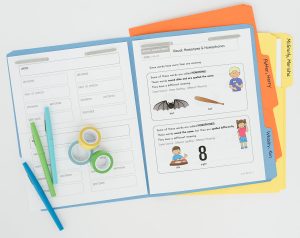
Maintain a vocabulary journal where you write down new words you encounter. Include their meanings, example sentences, and any relevant notes. Regularly reviewing this journal reinforces your memory and allows you to monitor your progress. You can also organize the words by themes or categories, making it easier to recall them when needed.
- Use Flashcards

Flashcards are an excellent tool for memorizing new words efficiently. Write the word on one side and its definition on the other. You can also add example sentences or images to reinforce the word’s meaning further. Flashcards are portable and convenient, making them ideal for studying on-the-go.
- Employ Mnemonic Devices

Mnemonic devices are memory aids that help associate new words with something familiar. Create acronyms, rhymes, or visualizations to remember the meaning of difficult words. For example, to remember the word “mellifluous” (meaning sweet-sounding), you can associate it with “melting ice cream that flows smoothly.”
- Practice with Word Games
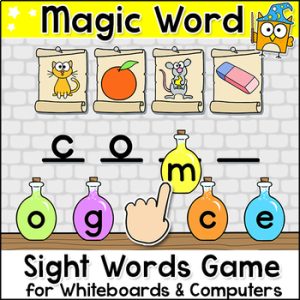
Word games are not only fun but also effective in building vocabulary. Play crossword puzzles, Scrabble, or word search games to actively engage with language and discover new words. Many apps and websites offer word games designed specifically for vocabulary expansion.
- Join Vocabulary Study Groups

Connecting with other language learners or English enthusiasts can be highly beneficial. Join vocabulary study groups or language exchange programs where you can discuss new words, share learning strategies, and practice using the words in conversations.
- Contextual Learning
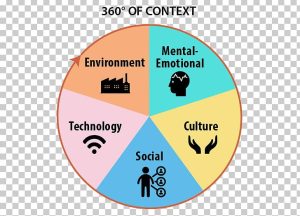
When learning new words, try to understand them in the context in which they appear. This way, you can grasp their meaning more effectively and remember them better. Read sentences or paragraphs surrounding the word to gain insight into its usage.
- Set Daily Goals

Consistency is key when it comes to learning vocabulary. Set achievable daily goals for learning new words and reviewing previously learned ones. Even dedicating 15-20 minutes a day to vocabulary study can lead to significant progress over time.
- Learn Word Families

Words in English often belong to families with related meanings. For instance, knowing the word “happy” can lead you to understand “happiness” or “unhappy.” Learn word families to expand your vocabulary more efficiently and grasp nuances in meaning.
- Use Vocabulary in Sentences
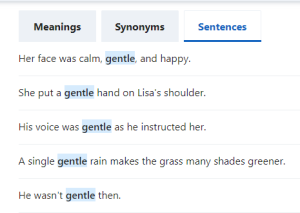
Practice using new words in sentences to reinforce your understanding and improve retention. Write short stories or paragraphs using newly learned words to ensure they become a natural part of your vocabulary.
- Visual Aids and Images

Associate words with images or visuals to create stronger connections in your brain. Seeing a picture along with a word helps you remember its meaning more vividly and provides a mental image to recall later.
- Learn Synonyms and Antonyms
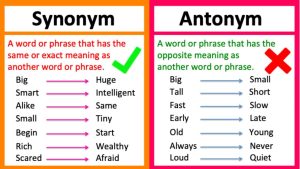
Study synonyms (words with similar meanings) and antonyms (words with opposite meanings) of the words you learn. Understanding these relationships enhances your ability to use words in various contexts and express yourself more precisely.
- Use Vocabulary Apps
Numerous vocabulary-building apps are available, offering interactive exercises and quizzes to reinforce learning. Some apps also use spaced repetition algorithms to focus on the words you find most challenging.
- Listen and Watch English Media

Expose yourself to English audio and video content, such as podcasts, movies, TV shows, and TED talks. This helps you become familiar with colloquial language, slang, and idiomatic expressions, expanding your vocabulary and improving listening skills.
- Be Patient and Persistent

Remember that expanding your vocabulary is a gradual process. It takes time and consistent effort to internalize new words fully. Be patient with yourself, celebrate your progress, and keep pushing forward.
In conclusion, learning English vocabulary is a journey that requires dedication, curiosity, and a willingness to explore the language actively. Incorporate a combination of reading, writing, playing word games, and engaging with others to enhance your lexicon effectively. By adopting these strategies, you’ll find yourself armed with an ever-growing arsenal of words to express your thoughts eloquently and communicate more effectively in English. Happy learning!