A private lesson in English learning refers to a one-on-one educational session between a student and a private English tutor or instructor. In this context, “private” means that the lesson is conducted individually, rather than in a group setting. Private English lessons are personalized and tailored to the specific needs and goals of the student.
During a private English lesson, the tutor can focus solely on the individual student’s strengths, weaknesses, and learning style. This personalized approach allows the tutor to identify areas where the student needs improvement and design a curriculum that addresses those specific needs.
Private English lessons can cover various aspects of language learning, such as grammar, vocabulary, pronunciation, listening comprehension, speaking, reading, and writing. The tutor may use a variety of teaching methods, materials, and exercises to enhance the student’s language skills effectively.
Private English lessons are often sought after by individuals who want to accelerate their language learning, require specialized attention, have specific language objectives (e.g., preparing for exams or interviews), or simply prefer a more focused and customized learning experience compared to a group class.
These lessons can take place in-person, typically at the student’s home or a mutually agreed location, or online via video conferencing platforms, which provides flexibility and access to a broader pool of qualified tutors.
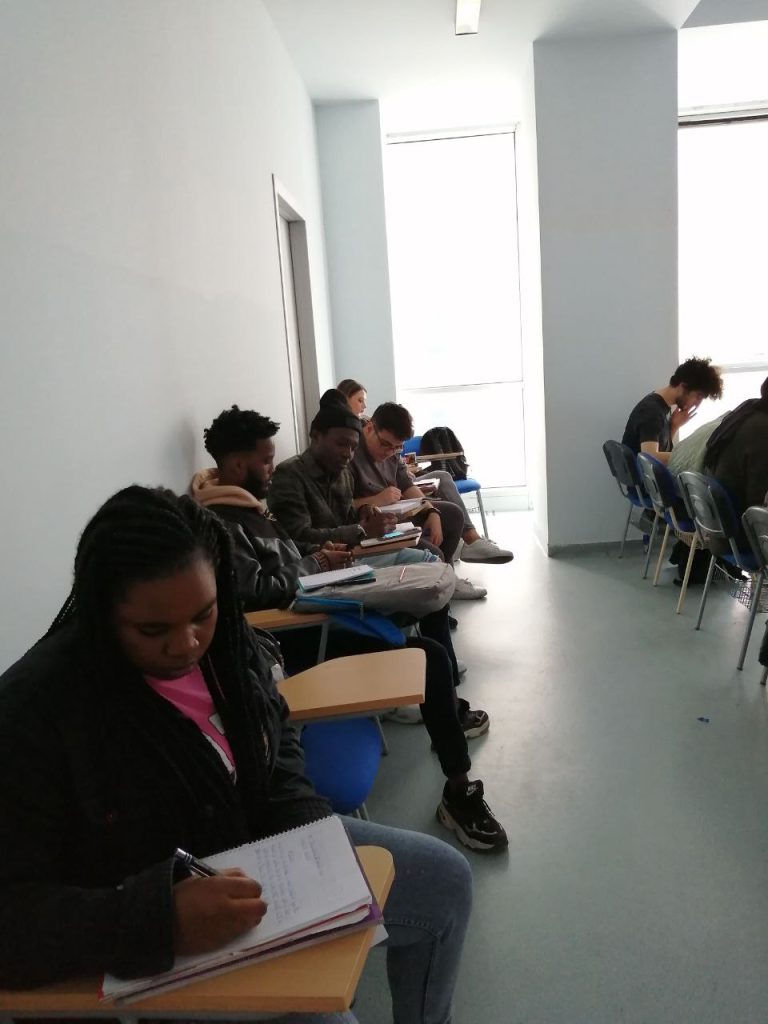
In the context of English learning, a group lesson refers to a teaching method where multiple students participate in a class together. Instead of receiving one-on-one instruction from a teacher, a group of learners gathers to receive instruction, practice, and engage in activities related to learning English.
Group lessons are commonly conducted in language schools, language centers, educational institutions, or language meetup groups. The size of the group can vary, ranging from a handful of students to a larger classroom setting.
Group lessons offer several benefits:
- Interaction and Communication: Students have the opportunity to interact with each other, enabling them to practice speaking, listening, and communication skills in real-life situations.
- Collaborative Learning: Group lessons encourage collaborative learning, where students can learn from each other, exchange ideas, and provide mutual support.
- Diversity of Perspectives: Group lessons often consist of students from various cultural backgrounds, leading to a diverse range of perspectives and experiences shared within the class.
- Cost-Effective: Group lessons can be more cost-effective than private one-on-one lessons, as the cost is shared among the participants.
- Social Aspect: Group lessons provide a social setting where learners can make friends, build relationships, and create a supportive learning environment.
However, group lessons may have some limitations as well:
- Less Individual Attention: In a group setting, the teacher’s attention is divided among multiple students, which may limit personalized feedback and individualized instruction.
- Different Skill Levels: Students in the group may have different proficiency levels, making it challenging to cater to the specific needs of each learner.
- Shy or Reserved Students: Some students may feel less comfortable speaking in front of a larger group, potentially inhibiting their participation.
To make group lessons effective, teachers usually design activities and exercises that encourage active participation, incorporate pair and group work, and provide opportunities for individual attention when needed. Additionally, periodic assessments and feedback sessions can help address individual learning needs within the group.
Private lessons and group lessons are two different approaches to learning English, each with its own advantages and disadvantages. The main differences between the two are as follows:
- Personalized Attention:
- Private Lessons: In private lessons, the student receives one-on-one attention from the teacher. The instructor can tailor the lessons to the student’s specific needs, strengths, and weaknesses. This individualized approach allows for faster progress and a focus on areas that require improvement.
- Group Lessons: In group lessons, the teacher divides attention among multiple students. While the instructor will still address the needs of the group, individual attention may be limited, and some students may not receive as much help with their particular language challenges.
- Pace of Learning:
- Private Lessons: The pace of learning in private lessons is usually more flexible and can be adjusted according to the student’s progress and learning style. Students can go faster or slower through the material as needed.
- Group Lessons: In group lessons, the pace of learning is often determined by the average level of the group. Some students may feel challenged by a fast pace, while others may find it too slow.
- Interaction and Communication:
- Private Lessons: In one-on-one settings, the student may have more opportunities to practice speaking and receive immediate feedback from the teacher. This can lead to increased confidence in speaking and quicker language acquisition.
- Group Lessons: Group lessons offer more opportunities for interacting with peers, allowing students to practice conversation and communication skills with different people. This can help develop interpersonal language abilities but might not offer as much individualized feedback.
- Cost:
- Private Lessons: Private lessons tend to be more expensive than group lessons due to the exclusive nature of the instruction.
- Group Lessons: Group lessons are usually more affordable since the cost is shared among multiple students.
- Social Environment:
- Private Lessons: In private lessons, the student and teacher form a one-on-one relationship, which may be less social but more focused on the learning process.
- Group Lessons: Group lessons provide a social setting where students can interact with each other, make friends, and learn from their peers. This can be particularly advantageous for language practice.
- Motivation and Accountability:
- Private Lessons: Some students may feel more motivated and accountable in private lessons as the teacher’s attention is solely on them, which can lead to increased dedication to learning.
- Group Lessons: In group settings, students may be motivated by their peers, creating a sense of healthy competition and group learning dynamics.
In summary, private lessons offer personalized attention, flexibility, and faster progress, but they can be more expensive. Group lessons provide a more social learning environment, lower costs, and opportunities for peer interaction, but individual attention may be limited, and the pace might not suit everyone. The choice between private and group lessons ultimately depends on the learner’s preferences, learning style, and specific goals.
The decision between private or group English lessons depends on your individual preferences, learning style, and specific goals. Both options have their advantages and disadvantages, so it’s essential to consider your needs before making a choice.
Private Lessons:
Advantages:
- Personalized attention: In a one-on-one setting, the teacher can focus entirely on your strengths, weaknesses, and individual learning pace, ensuring a more customized learning experience.
- Tailored content: Private lessons can be designed to address specific language skills or areas you want to improve, making the learning process more efficient.
- Flexibility: Private lessons often offer more flexibility in scheduling, allowing you to choose the best time for your lessons.
- Reduced peer pressure: Some learners may feel more comfortable asking questions and practicing speaking in a private setting.
Disadvantages:
- Cost: Private lessons are typically more expensive than group lessons due to the personalized attention and resources required.
- Limited interaction: You won’t have the same level of interaction with other learners, which can reduce opportunities for group discussions and learning from peers.
- Social learning benefits: Learning in a group can provide a more social and collaborative atmosphere, which some learners find beneficial.
Group Lessons:
Advantages:
- Social interaction: Group lessons provide opportunities to interact and practice with other learners, which can enhance speaking and listening skills.
- Cost-effective: Group lessons are often more affordable than private lessons, as the cost is shared among participants.
- Learning from peers: Group discussions and activities allow you to learn from others’ questions, mistakes, and experiences.
- Real-life language use: Group settings can simulate real-life situations, such as conversations in a social or professional context.
Disadvantages:
- Less individual attention: In a group, the teacher’s attention is divided among multiple students, which means less personalized feedback and instruction.
- Fixed schedule: Group lessons usually have fixed schedules, which might not be as flexible as private lessons.
- Differing skill levels: Group lessons might have participants with varying language proficiency levels, which could impact the pace of the class.
Ultimately, the better option depends on your learning preferences and goals. If you prefer personalized attention, have specific learning objectives, and are willing to invest more in your English language development, private lessons might be a better fit. On the other hand, if you enjoy social interaction, want a more cost-effective option, and appreciate the dynamics of group learning, then group lessons might be the way to go.