Introduction
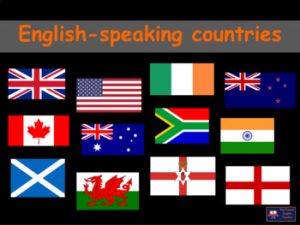
English, often hailed as the modern lingua franca, has spread its linguistic tendrils across the globe, making its presence felt in various countries as the primary language. From the bustling streets of New York City to the tranquil landscapes of New Zealand, English stands as a unifying force that transcends borders, cultures, and traditions. In this blog, we embark on a journey to explore the diverse countries where English takes center stage as the first language.
- United States: The Melting Pot of Accents and Cultures
The United States, a land of dreams and opportunities, boasts a rich tapestry of accents and dialects owing to its vast geographical expanse. From the southern drawl of Texas to the distinctive Boston accent, the U.S. serves as a testament to the fluidity and adaptability of the English language. It’s a nation where English has evolved and incorporated a multitude of influences, reflecting the amalgamation of various cultures that call this land home.
- United Kingdom: The Birthplace of the English Language

The United Kingdom, consisting of England, Scotland, Wales, and Northern Ireland, is the birthplace of the English language. From the eloquent phrases of Shakespeare to the poetic musings of Wordsworth, English literature has flourished on this historic isle. Each region within the UK adds its unique flavor to the language, resulting in accents as diverse as the highland brogue and the cockney slang.
- Canada: Bilingualism and Cultural Fusion
In Canada, English shares the limelight with French as one of the official languages. The country’s linguistic landscape reflects its commitment to multiculturalism and diversity. While English dominates in most provinces, Quebec stands as a bastion of French culture and language, creating a fascinating bilingual environment.
- Australia: The Land Down Under’s Laid-Back Linguistic Style
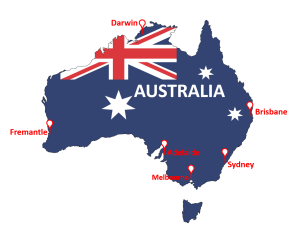
In the sun-soaked lands of Australia, English takes on a laid-back and often idiosyncratic style. The Australian accent is instantly recognizable, and the country’s unique slang—known as “Strine”—adds color and character to the language. From the iconic Sydney Opera House to the expansive Outback, Australia’s linguistic landscape mirrors its vast and varied geography.
- New Zealand: English in the Lap of Nature

New Zealand, with its breathtaking landscapes and warm hospitality, is another country where English thrives. Kiwi English is a unique blend of British, Māori, and Pacific Islander influences, making it distinct from its counterparts across the Tasman Sea. The nation’s indigenous Māori culture has also left its mark on the language, with many Māori words being integrated into everyday speech.
- South Africa: A Linguistic Kaleidoscope
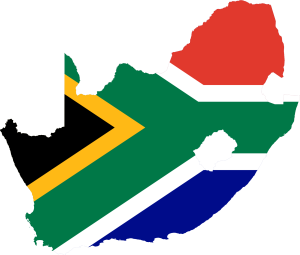
English in South Africa is a testament to the country’s rich cultural mosaic. Here, the language has fused with native languages like Afrikaans, Zulu, and Xhosa, creating a linguistic tapestry that mirrors the nation’s complex history. South Africa’s diversity is reflected not only in its languages but also in its people and traditions.
- Ireland: The Musical Cadence of Irish English
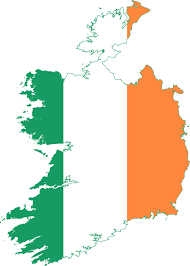
Ireland, a land of myths and legends, also contributes to the English-speaking world with its unique dialects and linguistic cadence. Irish English is characterized by its lilting tones and distinctive phrasing, often influenced by the Irish language (Gaeilge). The Emerald Isle’s literary heritage, from James Joyce to W.B. Yeats, has also made a lasting impact on the English language.
Conclusion
English, as a global language, has woven itself into the fabric of countless cultures and nations. From the soaring skyscrapers of New York to the serene fjords of New Zealand, it adapts and evolves, embracing regional nuances and influences along the way. The countries where English serves as the first language are a testament to its power to unite, bridge gaps, and provide a platform for diverse voices to be heard. As we traverse the globe, we find that the beauty of English lies not only in its words but also in the stories, cultures, and histories it encapsulates.