

Unraveling the Tapestry of Time: A Journey Through the History of the English Language
Introduction:
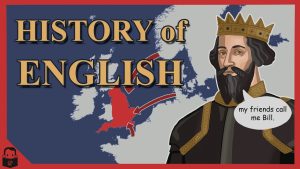
The English language is a living testament to the dynamic nature of human communication. Originating from humble roots on the British Isles, it has grown into a global lingua franca, spoken by millions as their native language and serving as a bridge between diverse cultures and peoples. As we delve into the rich tapestry of its history, we encounter a captivating journey of conquests, borrowings, and evolution, weaving a tale of resilience and adaptability that spans over fifteen centuries.
- The Anglo-Saxon Origins (5th-11th centuries):
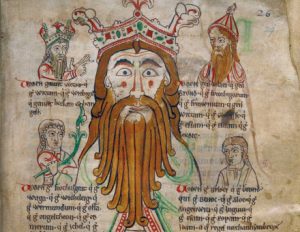
The earliest threads of the English language can be traced back to the arrival of Germanic tribes known as the Angles, Saxons, and Jutes to Britain during the 5th century. Their language, Old English, heavily influenced by the Germanic linguistic family, served as the foundation for the language we recognize today. During this period, Old English underwent considerable changes and absorbed words from Latin, Celtic languages, and Old Norse, further enriching its lexicon.
- The Norman Conquest and Middle English (11th-15th centuries):
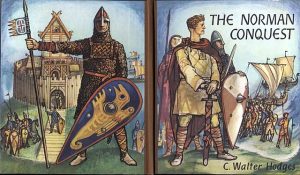
In 1066, the Norman Conquest led by William the Conqueror brought about a significant shift in the linguistic landscape of England. French, the language of the Norman aristocracy, mingled with Old English, giving birth to Middle English. The result was a multi-layered language that mirrored the social stratification of the time. During the Middle English period, renowned works such as Geoffrey Chaucer’s “The Canterbury Tales” helped solidify the language’s importance as a literary medium.

- The Renaissance and Early Modern English (15th-17th centuries):
The Renaissance, with its revival of classical learning, left an indelible mark on the English language. As scholars rediscovered ancient texts, a plethora of Latin and Greek words enriched the vocabulary. The invention of the printing press in the 15th century played a pivotal role in standardizing English spelling and grammar, making books more accessible to a wider audience. The works of William Shakespeare further elevated the status of English, showcasing its versatility and expressive power.
- Colonial Expansion and Global Influence (17th-19th centuries):
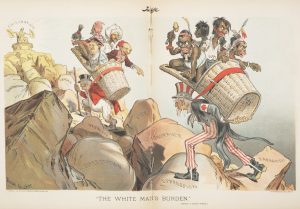
The colonization efforts of the British Empire spread English to far corners of the globe. From North America to Australia, India to Africa, English became a dominant language of administration, trade, and communication. Local languages intermingled with English, leading to the emergence of various regional dialects and creoles. This influence also affected the language itself, as new words and phrases from different cultures found their way into the lexicon.
- The Rise of Modern English (19th-21st centuries):
The Industrial Revolution and advancements in technology during the 19th century transformed societies and impacted language. English continued to evolve, adopting new scientific and technological terms. Standardization and language reforms led to the emergence of Modern English, characterized by its global reach and widespread use in business, diplomacy, science, and entertainment.
Conclusion:
The history of the English language is a captivating tale of cultural exchange and adaptation. From its humble beginnings as a Germanic dialect spoken by small tribes on the British Isles to becoming a global lingua franca, English has withstood the tests of time and grown into a language of remarkable diversity and influence. As we look to the future, it is certain that English will continue to evolve, assimilating new words and ideas, connecting people across the world, and weaving new chapters into its ever-expanding story.
